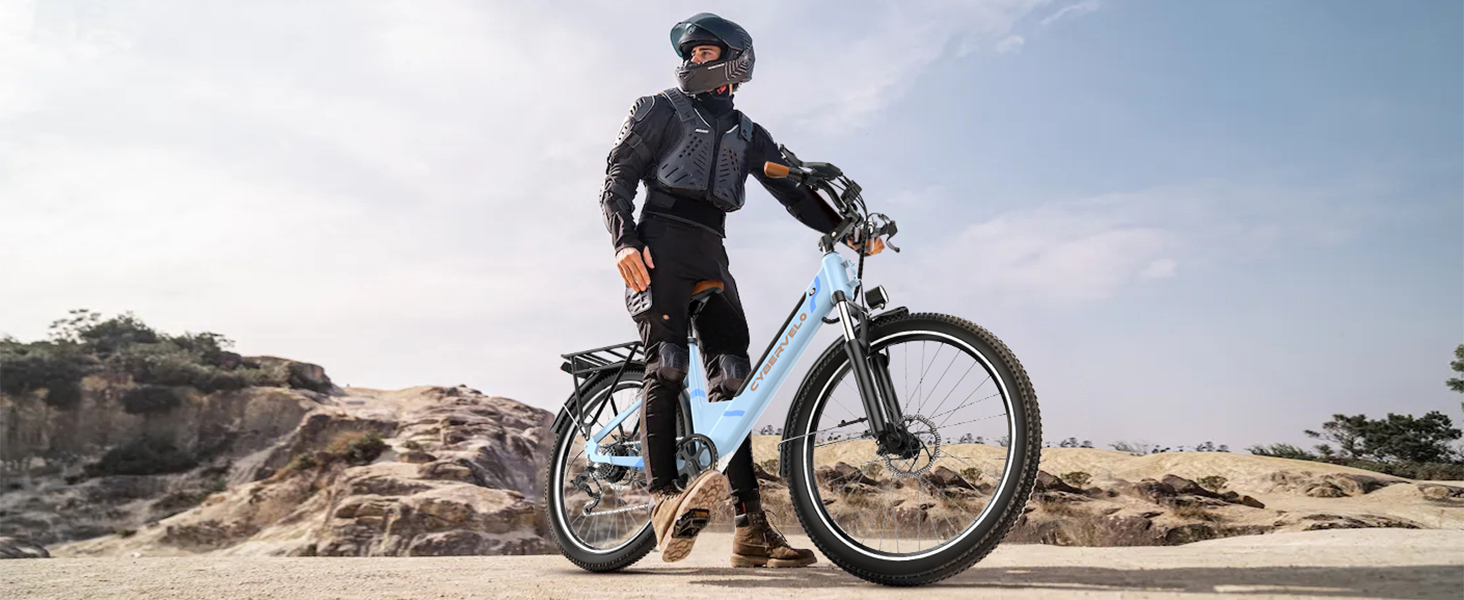
Finding the right e-bike can feel overwhelming when you are staring at endless spec sheets. Motor power, usually measured in watts, is often the first number buyers jump to. But bigger isn’t always better for everyone. If you buy underpowered, your hill climbs will feel painful. If you overbuy, you might end up with unnecessary weight, legal issues, or a bike that feels too twitchy for regular streets.
The real trick is matching motor wattage to your everyday commute, local terrain, and storage needs. Let’s break down how e-bike motor power translates to real-world riding so you can pick the sweet spot for your daily trips.
Understanding E-Bike Watts: Beyond the Numbers
When manufacturers list motor specs, they usually state continuous power output. In simple terms, wattage tells you how much help the motor provides when pushing against friction, wind, and steep inclines.
- 500W–700W Range: Great for flat city streets and moderate fitness support.
- 1000W–1500W Range: Ideal for steep hills, carrying heavier cargo, or faster acceleration in urban traffic.
- 5000W+ Range: High-performance territory built for off-road trails, extreme gradients, and high speeds where traditional bicycles can’t reach.
Choosing the right wattage boils down to three main questions:
- Do you need to store or carry the bike in tight spaces?
- Are your daily routes flat or filled with steep climbs?
- How fast do you reasonably need to travel on your local commuter paths?
Matching Wattage to Real Commuting Scenarios
Scenario 1: The Balanced City Commuter (1000W)
If you need a reliable daily runner that easily fits under an office desk or into a apartment elevator, a 1000W motor hits an ideal balance. It offers plenty of torque to push through head winds and urban slopes without making the frame too heavy to fold up.
For commuters who prioritize portability alongside strong hill-climbing power, a versatile option like the MARS700 folding e-bike with a 1000W motor delivers solid power without sacrificing space efficiency. It folds down quickly for easy trunk storage while maintaining standard street practicality.
Scenario 2: The Heavy Duty or Hilly Route (1500W)
When your daily commute involves continuous hill climbs, heavier cargo, or longer distances on mixed surfaces, 1000W might occasionally strain. Moving up to 1500W gives you extra low-end torque so your speed doesn’t drop significantly on steeper inclines.
If you like the convenience of a compact frame but want extra grunt for steep neighborhoods, consider the EK6 Max 1500W folding electric bike. The added wattage makes launching from a full stop quick and confident, even when carrying heavy backpacks or grocery bags.
Scenario 3: Maximum Performance & Extended Range (5000W)
For riders looking far beyond typical municipal bike lanes, extreme motor power enters the conversation. A 5000W setup isn’t built for a casual ride down a crowded pedestrian pathway; it’s designed for riders treating their e-bike like a lightweight electric crossover vehicle for private tracks or rugged open terrain.
A full-frame model such as the high-powered Cybervelo EK9 5000W electric bike caters to enthusiasts seeking top-tier speed, aggressive acceleration, and heavy-duty frame stability where folding mechanisms are unnecessary.
Key Things to Watch Before Buying
- Weight vs. Power: Higher wattage requires larger batteries and beefier motor casings. If you frequently carry your bike up three flights of stairs, factor total bike weight into your decision.
- Folding vs. Rigid Frames: Folding models give you maximum flexibility for train transfers and apartment storage. Non-folding frames give you maximum frame rigidity for ultra-high-power motors.
- Local Traffic Regulations: Check your municipal rules on e-bike classification. Many public roads have power limits for different categories of e-bikes.
Practical Verdict: Which One Should You Get?
Selecting your power output isn’t about bragging rights—it’s about making your commute as effortless as possible.
- Choose 1000W if you want the ultimate balance of urban folding convenience and reliable everyday climbing power.
- Choose 1500W if you face steep hills daily or carry extra gear and still need a space-saving design.
- Choose 5000W if you want maximum speed, uncompromising high-power output, and a rigid, non-folding chassis for open-road adventures.
发表回复