Commuting 30 miles back and forth every single day isn’t just a casual spin through the neighborhood—it’s a real commitment. If you’re trading your car keys for two wheels to bypass gridlock traffic, offset gas prices, or start your morning with an energy boost, your equipment choice dictates everything. A low-tier commuter bike will leave you stranded midway or suffering from fatigue long before you hit your office desk.
When you cover 15 miles each way, standard bicycles won’t cut it. You need substantial battery capacity, high-speed stability, heavy-duty puncture protection, and a frame that absorbs harsh pavement bumps. To help you eliminate range anxiety and pinpoint the exact machine for your daily haul, we’ve broken down how to select the ideal long-distance commuter, featuring three high-performance builds designed for serious road time.
| Feature | Cybervelo EK6 MAX | Cybervelo EK4 | Cybervelo EK12 |
| Battery | 48V 40AH | 48V 50AH | 48V 20AH |
| Motor Power | 1500W High-Speed | 1000W | 1000W |
| Top Speed | 40 MPH | 28 MPH | 28 MPH |
| Max Range | 120 Miles | 80 Miles | 80 Miles |
| Frame Material | Magnesium Alloy | High Carbon Steel | High Carbon Steel |
| Suspension | Full Dual | Front | Front & Rear |
| Primary Strengths | Speed & Range | Lightweight Fold | Comfort & Cargo |
Navigating the 30-Mile Commute: What Really Matters
Long-distance e-bike commuting comes with a unique set of demands. It isn’t just about riding fast; it’s about getting home reliably without nursing sore wrists or pulling off the road with a flat.
Real Range vs. Advertised Specs
Cold weather, steep inclines, and throttle usage swallow up battery power quickly. For a consistent 30-mile round trip, you should always target a bike rated for at least 60 miles on paper. This guarantees you won’t get stuck begging for a wall outlet at work during winter or strong headwinds.
Comfort Over Extended Distance
Spending over an hour in the saddle every day tests your body. Dual suspension setups, wider tires, and ergonomic touchpoints shift the experience from a jarring struggle to a smooth cruise.
Puncture Resistance
A flat tire at 7:30 AM will ruin your workday. Sturdy fat tires equipped with anti-puncture liners are vital for cutting through glass, debris, and unpredictable urban roads.
Selecting Your Ride: Matching Build Types to Commuter Profiles
Every commuter’s route looks different. Some face sweeping suburban roads where speed is priority #1, while others battle broken pavement, stop-and-go city traffic, or need a bike that carries heavy gear.
The High-Speed Suburban Cruiser: Cybervelo EK6 MAX
If your 30-mile journey stretches across fast suburban roads or wide open shoulders, keeping pace with urban traffic keeps you safe and saves valuable time.
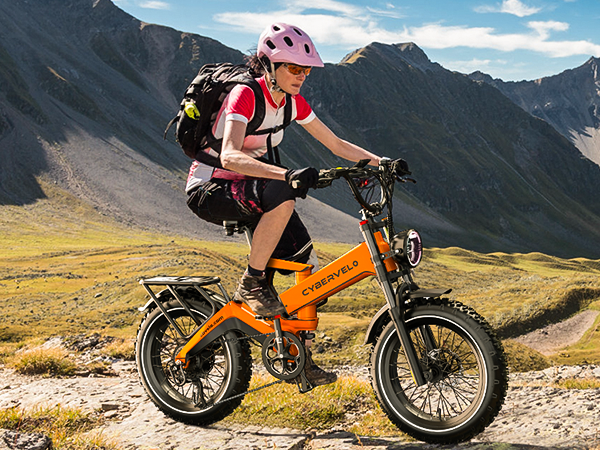
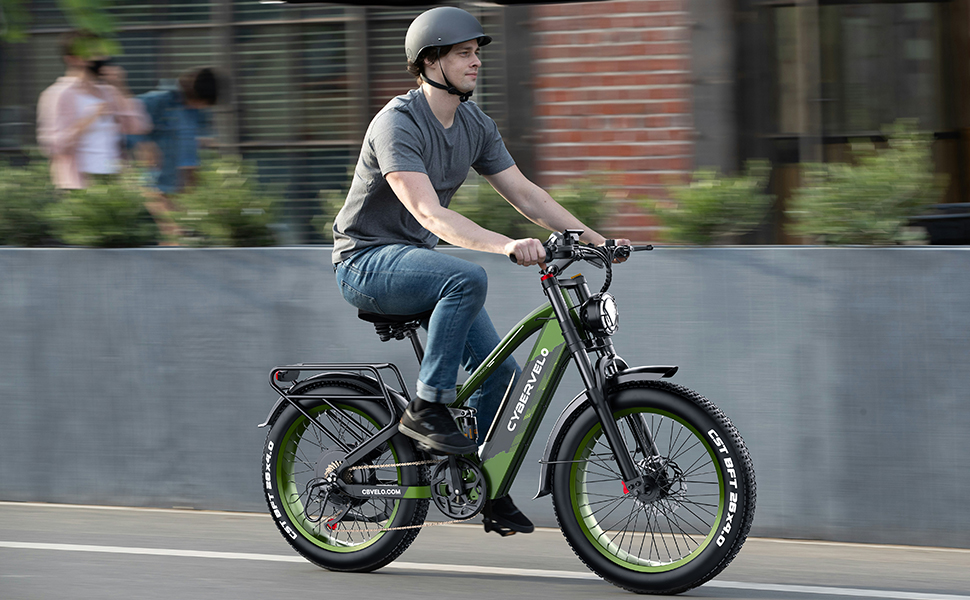
The Cybervelo EK6 MAX is engineered specifically for long-distance power users who treat their e-bike as a legitimate car replacement.
- Unmatched Power & Range: Equipped with a 1500W high-speed motor and a massive 48V 40AH battery system, this model punches up to a 40 MPH top speed with an impressive maximum range of up to 120 miles. You can comfortably handle your 30-mile commute all week on a single charge or ride wide open without sweating battery life.
- Smooth Handling & Safety: Speed requires control. The full dual suspension system tames rough asphalt, while the premium hydraulic disc brakes offer immediate stopping power in wet or dry conditions.
- Commuter Convenience: Despite its performance specs, the magnesium alloy frame remains foldable for easy garage storage. It also includes 20×4.0 puncture-resistant tires featuring integrated reflective strips to keep you visible during pre-dawn or night rides, alongside a crisp Shimano M315 8-speed trigger shifter for fine tuned pedaling.
The Compact All-Terrain Worker: Cybervelo EK4
For commuters who deal with mixed road surfaces, tight storage spaces, or need a simple, bulletproof daily workhorse, versatility is key.
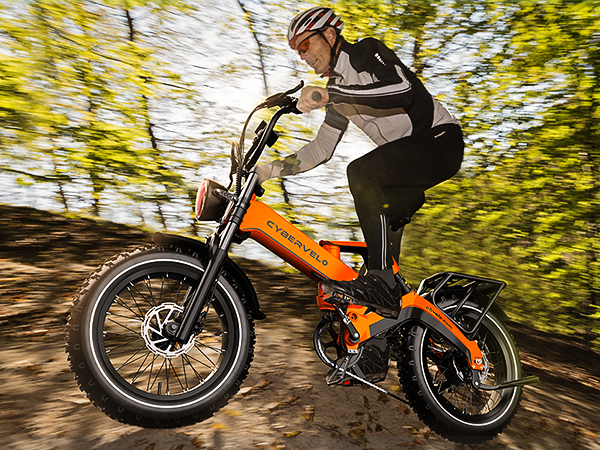
The Cybervelo EK4 folding fat tire ebike hits the ideal balance between heavy-duty range and practical portability.
- Extended Battery Reserves: Packing an ultra-dense 48V 50AH battery, the EK4 boasts up to 80 miles of max range, making a 30-mile commute smooth sailing without constant plug-ins.
- Agile All-Terrain Design: Driven by a 1000W peak motor hitting speeds up to 28 MPH, its high carbon steel frame paired with 20×3.0 tires gives you agile control through tight city turns or light off-road shortcuts like gravel paths and park shortcuts.
- Space-Saving Utility: The foldable, lightweight structure lets you easily tuck the bike beneath an office desk, inside a storage closet, or into a car trunk if you prefer park-and-ride options.
The Utility & Comfort Specialist: Cybervelo EK12
If your daily ride involves carrying laptop bags, groceries, or gear, or if you simply prefer an effortless mount/dismount style, comfort takes center stage.
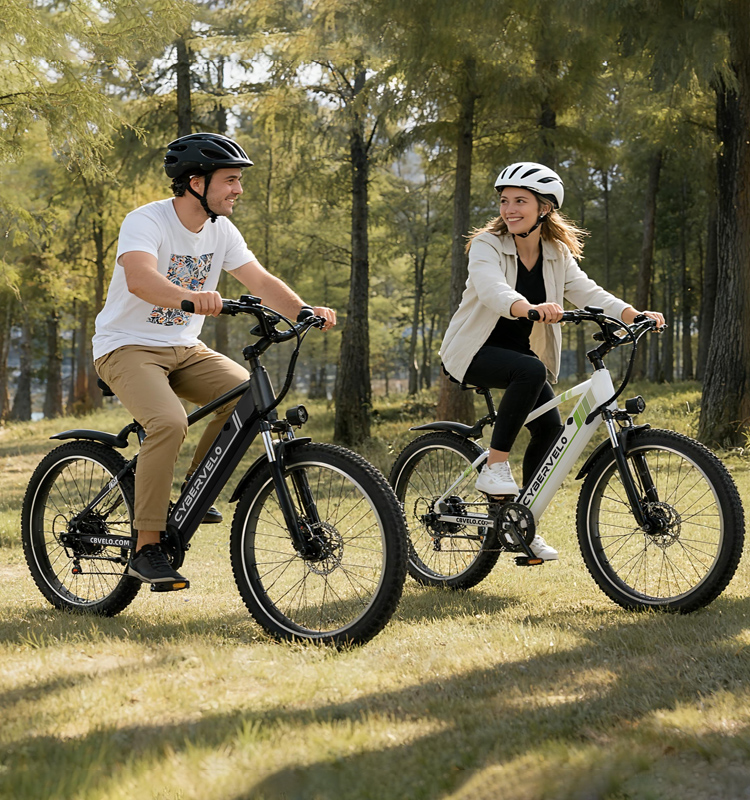
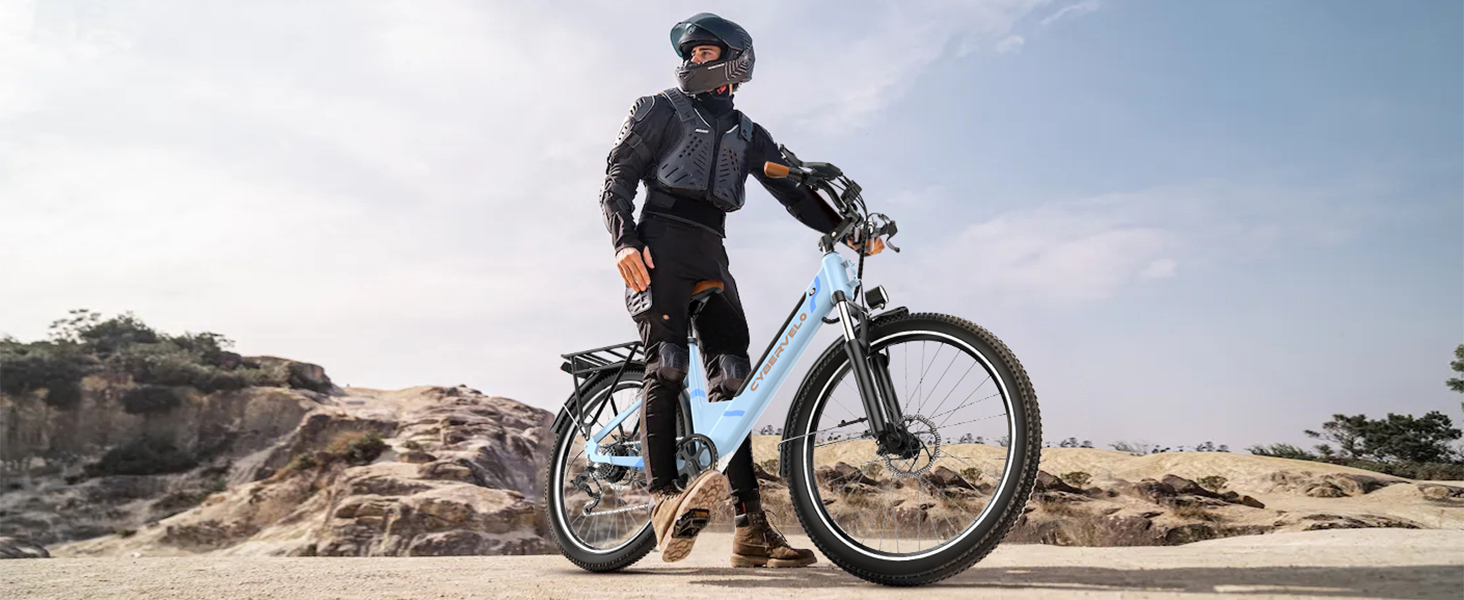
The Cybervelo EK12 step-thru ebike focuses on rider ergonomics, utility, and steady cruising.
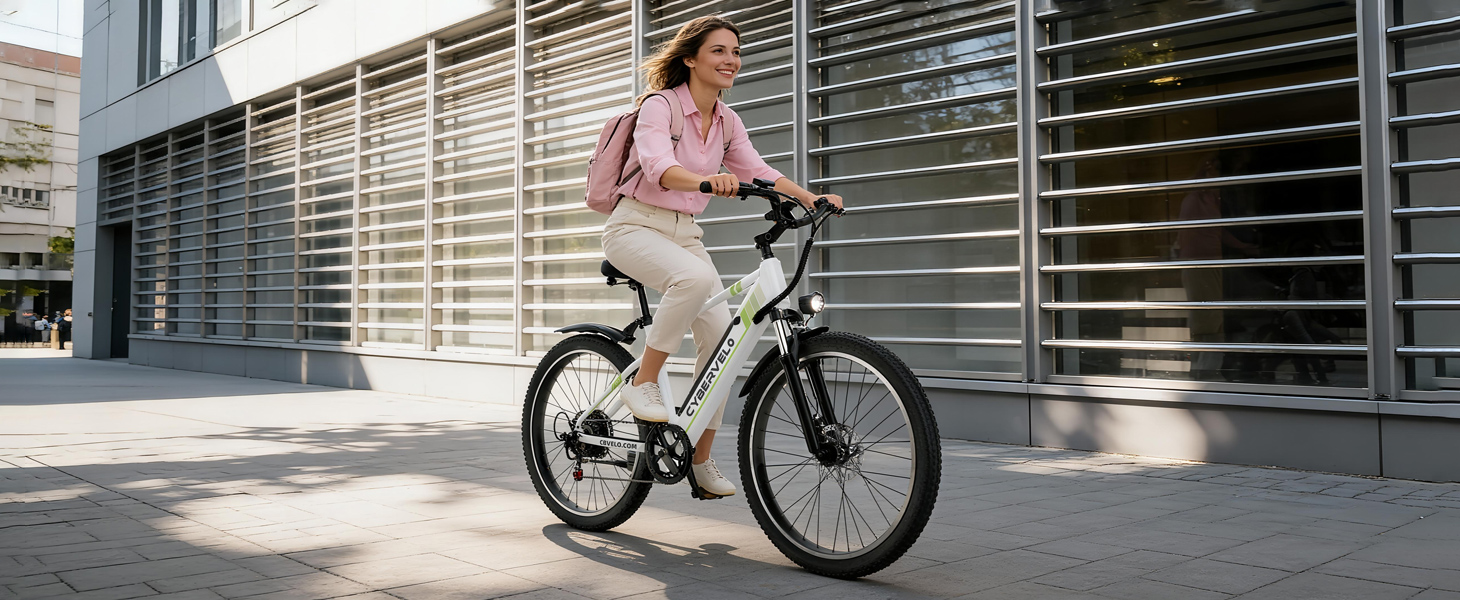
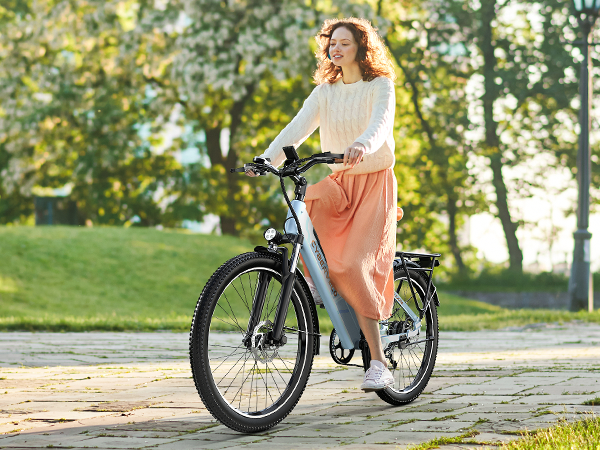
- Ergonomic Comfort: Featuring an accessible step-through high carbon steel frame, a wider cushion seat, and dedicated front and rear absorbers, the EK12 prioritizes low-impact riding for your back and joints.
- Practical Carrying Capacity: Built with mounting readiness for both front and rear baskets, this bike carries your work essentials effortlessly.
- Dependable Daily Drive: Powered by a 1000W motor paired with a 48V 20AH battery, it delivers a smooth 28 MPH top speed and up to 80 miles of range. Supported by stable 20×4 fat tires, it comfortably conquers urban potholes and uneven pavement.
Commuter Buying Considerations & Best Practices
Before pulling the trigger on a long-distance electric bike, review these practical steps to guarantee your investment holds up over thousands of daily miles:
- Plan for Charging Routines: Even with long-range batteries, establish a reliable routine. Keep an extra charger at your workspace so you always head home with 100% capacity.
- Inspect Brakes Regularly: High-speed, heavy-frame e-bikes wear down brake pads faster than traditional acoustic bikes. Check hydraulic fluid and pad thickness every few hundred miles.
- Maintain Tire Pressure: Running fat tires at optimal PSI prevents pinch flats, reduces rolling resistance, and preserves your total battery range over long commutes.