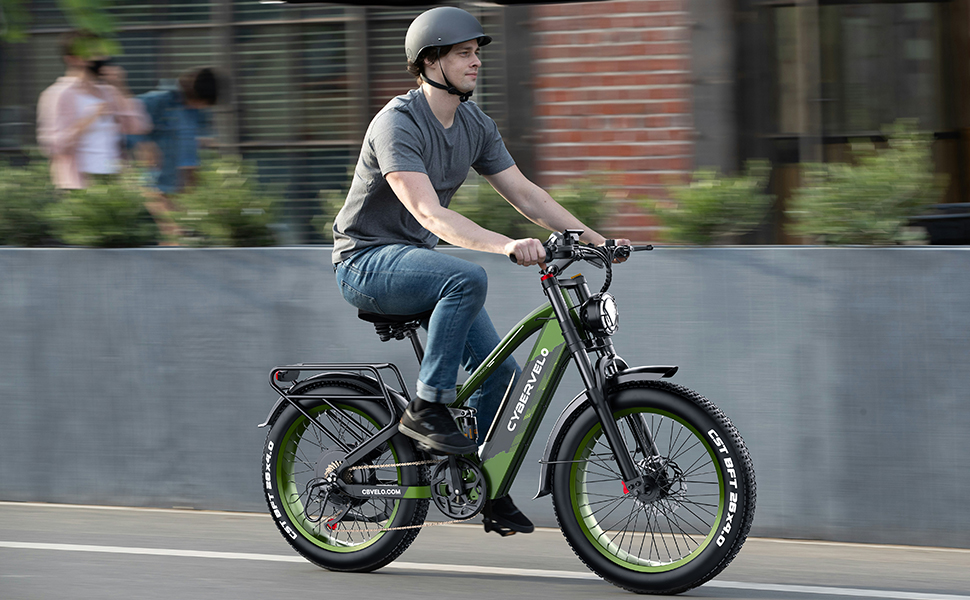
Getting caught in a sudden rainstorm while riding your electric bike is every commuter’s low-key nightmare. You’re coasting along, the sky darkens, and within three minutes, you’re stuck wondering: Is this rain going to fry my battery, or am I good to keep rolling?
The quick answer? Yes, you can ride an electric bike in the rain. Most modern e-bikes are built to handle wet weather, light showers, and typical road spray. However, “water-resistant” doesn’t mean “waterproof.” There’s a huge difference between riding home in a spring drizzle and plunging your motor into a three-foot flash flood.
If you rely on an e-bike for daily transportation or weekend trail rides, understanding how rain impacts your bike—and which models actually hold up—can save you thousands in repairs. Here is the realistic breakdown of wet-weather riding, battery safety, and choosing the right gear.
Understanding IP Ratings: Why Your E-Bike Matters in the Wet
Not all e-bikes are created equal when the clouds open up. Manufacturers use an IP (Ingress Protection) rating to mark how well electrical components resist dust and water.
- IPX4: Protects against splashing water from any direction. Good for light drizzle.
- IPX5/IPX6: Protects against low-to-high pressure water jets. Handles heavy downpours and wet road spray comfortably.
When shopping for an e-bike, you want to look for frame designs that protect key connections, sealed battery compartments, and high-quality hydraulic disc brakes that won’t lose stopping power when wet.
Urban Commuting in the Rain: Daily Riders’ Perspective
For city commuters, rain is just another Tuesday obstacle. But wet pavement changes everything about traction and braking. Smooth city asphalt turns slick, painted road lines become ice, and metal manhole covers are accidents waiting to happen.
If you’re pounding the pavement every day, you need an e-bike with a stable geometry, integrated fenders, and smooth power delivery so your rear tire doesn’t slip when you accelerate out of a stoplight.
Top Urban Options Built for All-Weather Riding
- The Daily Step-Through Cruiser: If you wear work clothes or rain gear, swinging a leg over a high top-tube in wet weather is annoying. The Cybervelo EK2 Step-Through E-bike offers an approachable frame layout that makes stopping and starting on slippery roads stress-free.
- The Full-Featured Commuter: For riders who face longer city stretches and heavier morning traffic, the Cybervelo EK7 26″ Step-Through E-bike provides full-sized stability and solid water-resistant casing around the battery and controller.
- The Traditional Step-Over Standard: If you prefer a stiffer classic frame for sharper handling on wet city streets, the Cybervelo EK3 26″ Step-Over E-bike delivers reliable frame geometry and balanced weight distribution when dodging puddles.
Off-Road and Adventure: Handling Rain on Gravel and Dirt
Taking an e-bike off-road during or after rain is an entirely different beast. Mud, loose gravel, and deep standing water demand wide tires, aggressive tread patterns, and robust seals around the motor hub.
A narrow commuter tire will slip out almost instantly on wet gravel trails. You need wider contact patches to cut through mud and maintain traction.
Heavy-Duty Outdoor Selections
- The Portable Trail Explorer: If space is tight or you need to throw your bike in the back of an SUV after a muddy ride, the Cybervelo EK6 Folding Electric Bike combines rugged tires with a quick-fold design, making wet-weather transport painless.
- The All-Terrain Workhorse: For maximum traction across slick mud, loose dirt, and torrential downpours, the Cybervelo EK9 packs the frame strength and wide tire profile needed to keep you upright when conditions turn rough.
Golden Rules for Riding and Maintaining Your E-Bike in the Rain
Riding in the rain isn’t just about surviving the trip; it’s about what you do after you park the bike. Here are four practical rules every rider should follow:
1. Never Pressure Wash Your E-Bike
After a muddy wet ride, it’s tempting to grab a high-pressure hose at the car wash. Don’t do it. High-pressure water will force its way past rubber seals directly into your bearings, motor housing, and display screen. Use a damp cloth, a soft brush, and low-pressure water.
2. Wipe Down the Battery Contacts
Once you get home, remove the battery, dry the casing with a towel, and inspect the connection terminals. Never plug a charger into a wet battery port. Let everything dry completely at room temperature first.
3. Brake Earlier Than Usual
Water reduces the friction between brake pads and rotors. Even with premium disc brakes, expect your stopping distance to double on wet roads. Squeeze your brake levers gently to clear water off the rotors before you need to make a sudden stop.
4. Store It Indoors
Leaving your e-bike outside in constant rain will eventually cause moisture to seep into sensitive electronics and rust your chain. Park it in a garage, shed, or apartment hallway whenever possible.
In Conclusion
Can you ride an e-bike in the rain? Absolutely. Modern engineering has made electric bikes tough enough to handle wet seasons without flinching. As long as you choose a quality bike built for your specific riding style—and take five minutes to dry it off after a soaked ride—you can keep riding year-round, rain or shine.